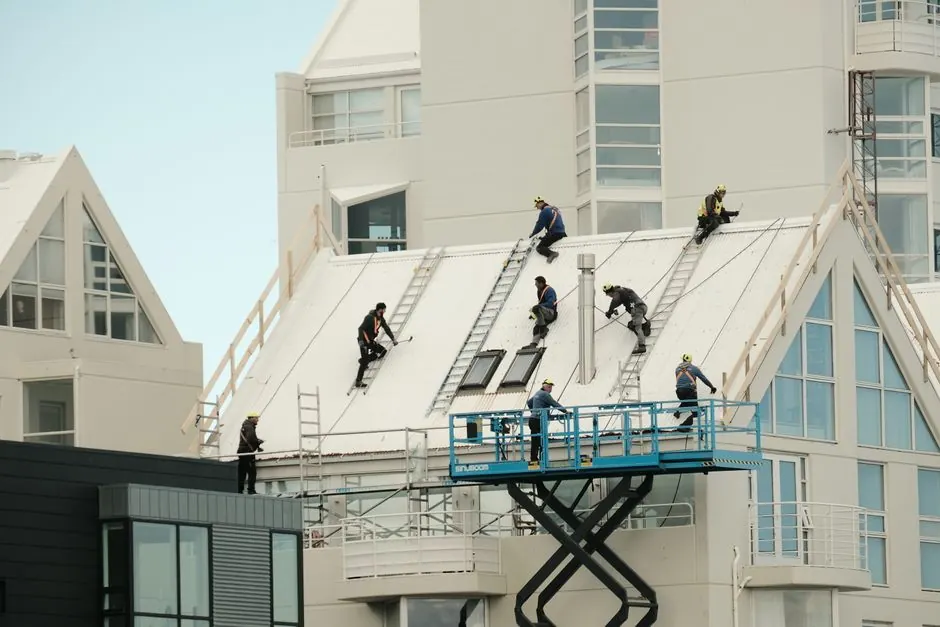
For homeowners in New Jersey, understanding roof repair regulations is essential for maintaining property value and ensuring safety. Compliance with local laws can prevent costly fines and ensure that your home is protected. This article outlines the top five regulations every homeowner should be aware of, including permit requirements, building codes, and insurance considerations.
Understanding Roof Repair Regulations
Roof repair regulations in New Jersey are designed to protect homeowners and ensure that repairs are done safely and effectively. Familiarizing yourself with these laws can help you avoid legal issues and ensure that your repairs meet local standards. Whether you live in an older home or a newly constructed property, it's crucial to know what regulations apply to your specific situation.
Permit Requirements for Roof Repairs
One of the first things you need to know about roof repair in New Jersey is whether you need a permit. In most cases, significant repairs or replacements will require a permit from your local municipality. This includes:
- Replacing an entire roof
- Installing new roofing materials
- Making structural changes to the roof
Failure to obtain the necessary permits can result in fines and may complicate future real estate transactions. Always check with your local building department to confirm what repairs require a permit.
Building Codes and Standards
New Jersey has specific building codes that govern roof repairs. These codes ensure that any work done is safe and meets certain quality standards. Key aspects of these codes include:
- Material specifications
- Installation practices
- Weather resistance requirements
When hiring a contractor, it's important to ensure they are familiar with local building codes and can provide documentation of compliance. This is particularly crucial in areas prone to extreme weather, where the integrity of the roof is vital.
Insurance and Liability Considerations
Homeowners should also be aware of how roof repair requirements in New Jersey can impact their insurance coverage. Many insurance policies require that repairs be conducted by licensed professionals. Additionally, improper repairs can lead to liability issues if they result in damage to neighboring properties. Always consult your insurance provider to understand your coverage and any requirements for roof repairs.
Common Mistakes to Avoid
While navigating roof repair regulations, homeowners often make several common mistakes. Here are a few to watch out for:
- Not obtaining necessary permits
- Ignoring local building codes
- Hiring unlicensed contractors
Each of these mistakes can lead to significant complications, including fines, increased repair costs, and potential safety hazards. Always do your due diligence before proceeding with any repairs.
When to Call a Professional
If you're unsure about the regulations or the requirements for your roof repairs, it's wise to consult a professional. At flat roofing experts, we specialize in helping homeowners navigate the complexities of roof repair regulations in New Jersey. Our team can assist you in ensuring compliance and executing high-quality repairs.
Frequently Asked Questions
What are the roof repair regulations in New Jersey?
Roof repair regulations in New Jersey include obtaining necessary permits, adhering to building codes, and ensuring that repairs are conducted by licensed professionals. These regulations are in place to protect homeowners and ensure safety.
Do I need a permit for roof repair in New Jersey?
Yes, most significant roof repairs require a permit. It's essential to check with your local municipality to determine what specific repairs necessitate a permit.
What should homeowners know about roof repair laws in New Jersey?
Homeowners should be aware of the local building codes, permit requirements, and insurance implications when planning roof repairs. Proper compliance can prevent legal issues and ensure the safety of your home.
How can I ensure my roof repairs comply with regulations?
To ensure compliance, always obtain necessary permits, hire licensed contractors, and familiarize yourself with local building codes. Consulting with professionals can also provide clarity on requirements.
What happens if I don't follow roof repair regulations?
Ignoring roof repair regulations can lead to fines, complications during real estate transactions, and liability issues if repairs fail and cause damage to your property or others.